
Top Waterproofing Products To Protect Your Home Efficiently
Explore the leading waterproofing solutions designed to safeguard your property from water damage and ensure long-lasting durability.
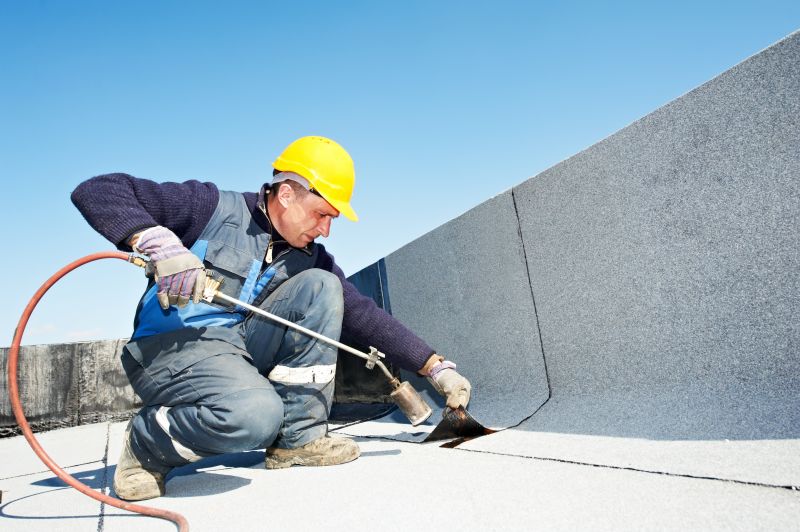 Waterproofing products are essential for protecting structures from moisture intrusion, preventing water damage, and maintaining the integrity of surfaces. These products are used in various applications, including basements, roofs, foundations, and walls, to create a barrier against water penetration. Selecting the right waterproofing solution depends on factors such as the type of surface, exposure conditions, and specific project requirements. Proper application and maintenance of these products can significantly extend the lifespan of buildings and improve their resilience against water-related issues.
Top Overall Option
Multi-Purpose Waterproofing Coating
A versatile waterproofing coating designed for a wide range of surfaces including concrete, masonry, and wood. It offers a seamless, flexible barrier that resists water penetration and adheres well to various substrates. Suitable for both interior and exterior applications, this product is easy to apply with brushes, rollers, or spray equipment, making it a practical choice for different project scopes.
Types of Products For Waterproofings
Liquid Waterproofing Membranes
Fluid coatings that form a seamless, flexible barrier when dried, ideal for roofs, basements, and balconies.
Bituminous Coatings
Heavy-duty coatings made from bitumen, suitable for foundations and underground structures.
Rubberized Asphalt Sheets
Flexible membrane sheets used for roofing and foundation waterproofing, offering durability and ease of installation.
Polyurethane Sealants
Elastic sealants used to fill gaps and joints, providing waterproof seals in various construction applications.
Acrylic Waterproof Coatings
Water-based coatings suitable for walls and surfaces requiring a breathable, waterproof layer.
Cementitious Waterproofing
Waterproof coatings made from cement-based materials, often used in underground and wet areas.
Waterproofing Tapes and Patches
Self-adhesive tapes and patches for quick repairs and sealing cracks or small leaks.
Spray-On Waterproofing
Sprayable coatings that provide a protective water barrier, suitable for complex surfaces and large areas.
Liquid Rubber Coatings
Flexible, durable coatings that form a waterproof membrane, often used on roofs and decks.
Bitumen Sheets
Self-adhesive or torch-applied sheets used in roofing and foundation waterproofing projects.
Hydrophobic Paints
Paints formulated to repel water, ideal for enhancing the water resistance of walls and surfaces.
Crack Injection Systems
Specialized products for sealing and stabilizing cracks in concrete and masonry structures.
Popular Choices
Sealants that provide flexible, water-resistant seals for joints and cracks in various surfaces.
Durable membranes designed for roof protection against water infiltration and leaks.
Specialized coatings for foundations to prevent water seepage and structural damage.
Paints formulated to add a water-resistant layer to walls and surfaces, easy to apply.
Sealants designed specifically for basement walls to prevent moisture ingress.
Waterproof coatings for decks and outdoor surfaces to protect against weathering.
Adhesive tapes for quick repairs and sealing of minor leaks and cracks.
Sealants that penetrate concrete surfaces to improve water resistance and durability.
Sprayable waterproofing coatings suitable for large and irregular surfaces.
Pre-made patches for sealing and repairing leaks in various surfaces.
Coatings that repel water and protect walls from moisture damage.
Products for sealing cracks to prevent water ingress in concrete and masonry.
There are numerous formulations available, ranging from liquid coatings and sealants to membranes and tapes. Liquid waterproofing membranes are popular for their ease of application and ability to conform to complex surfaces. Sealants and caulks are effective for filling small gaps and joints, providing an additional layer of defense. Membranes, often made of rubberized or bituminous materials, are typically used for more robust waterproofing needs, especially in roofing and foundation applications. Tapes and patches offer quick fixes for minor leaks or cracks, making them a versatile choice for homeowners and professionals alike.
Choosing the appropriate waterproofing product involves considering the environment, the surface material, and the expected exposure to water. For instance, high-humidity areas require products with strong adhesion and flexibility, while surfaces exposed to constant water contact benefit from durable, long-lasting membranes. Proper surface preparation, including cleaning and drying, is crucial for optimal adhesion and performance. Regular inspection and maintenance ensure that waterproofing remains effective over time, preventing costly repairs and structural damage.
Key Buying Considerations
- Identify the specific surface type and choose a compatible waterproofing product.
- Determine whether the application is interior or exterior to select appropriate formulations.
- Consider the level of water exposure and select products with suitable durability and flexibility.
- Check the product’s adhesion properties to ensure it bonds well with the surface.
- Evaluate the ease of application—brush, roller, spray, or tape—based on your project needs.
- Review drying and curing times to plan your project schedule effectively.
- Assess the product’s compatibility with existing materials and coatings.
- Look for products with proven resistance to common environmental factors such as UV rays and temperature fluctuations.
- Consider the longevity and maintenance requirements of the waterproofing solution.
- Ensure the product is suitable for the specific area, such as foundation, roof, or basement.
- Verify safety instructions and proper application methods for optimal results.
- Check for any necessary surface preparation steps before application.
- Review customer feedback and expert recommendations for insights into product performance.
- Estimate the coverage area to purchase enough product for your project scope.
- Consider budget constraints while balancing quality and effectiveness.
This page contains affiliate links. We may earn commissions from qualifying purchases to support our content creation.